Showing posts with label pesca de salmon Rusia. Show all posts

Wednesday, 19 October 2016

Salmon fishing season 2016.


Our NEW Chavanga web page and NEW Blog

                                    https://www.chavanga.com/   

                         https://www.chavanga.com/blog

Vasil Bykau

                       Dear fishermen! 

Season salmon fishing is finished in 2016. We finally have the time to publish the results, summarize and draw conclusions. Season was a difficult, but very interesting. In the coming days I will try to tell all and show. Good luck!

https://www.facebook.com/chavanga/
http://chavanga.com/home


Friday, 29 July 2016

Overview of the start of salmon season on the river Strelna.


Our NEW Chavanga web page and NEW Blog

                                    https://www.chavanga.com/   

                         https://www.chavanga.com/blog

Vasil Bykau


Strelna River is attractive with plenty of salmon, which are collected in the spring on the lower portion of the river. In the future, the salmon is distributed along the river and its fishing requires great effort. But always remain areas where you can expect a good catch. The first is the mouth of the river and parking salmon among waterfalls and stretches with rapids located upstream.
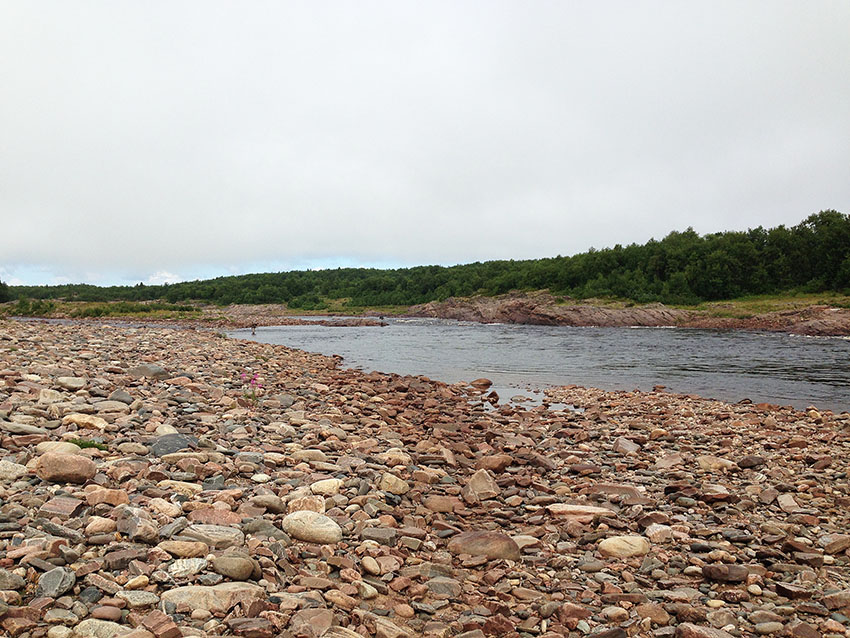
In this season early spring has led to a rapid and significant decrease in the water level in the river. Salmon quickly overcame the main waterfall near the camp and scattered along the river.
High temperatures and low water levels have led to a decrease in the activity of the fish on site near the mouth of the river. Fresh fish rising out of the sea, but not too eager to respond to the flies. More effective was salmon fishing in areas 2-6 km upstream. Here, in late May    the fresh sea salmon and autumn fish regulary come across.
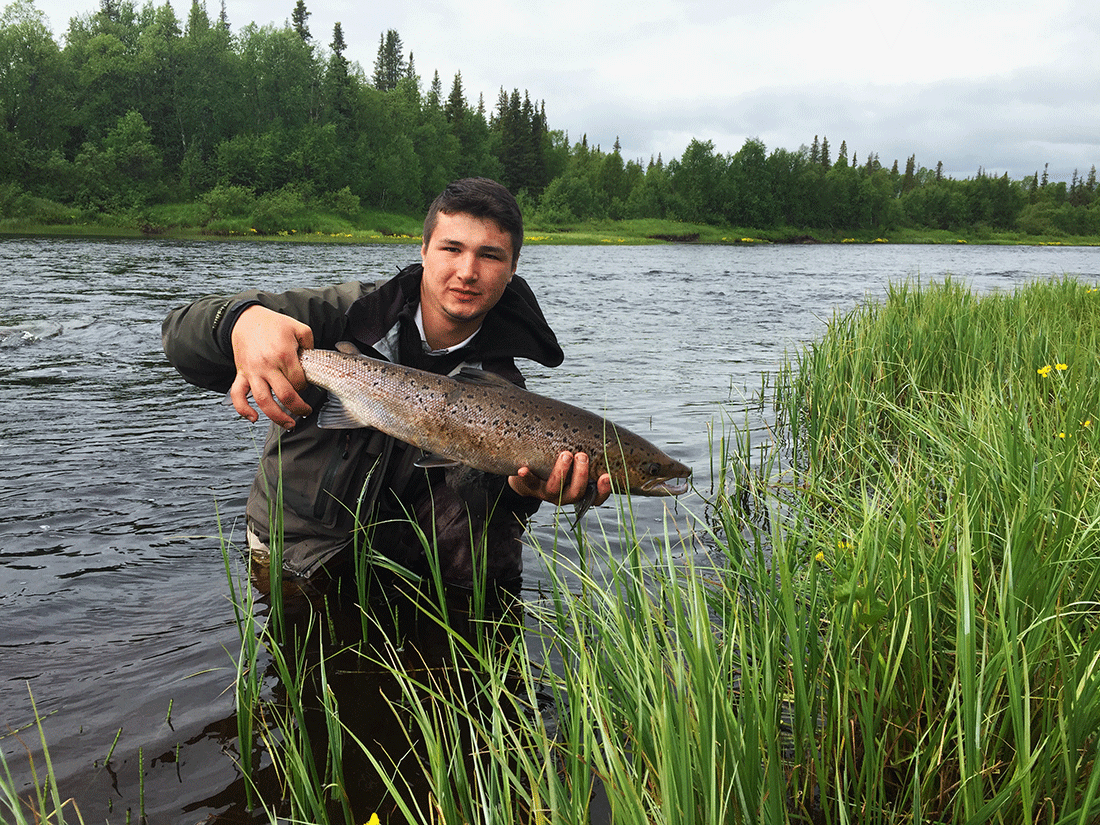
It is pleasant to note the very good condition of fish we caught.  Everage weight was 4,5 kg, max to  7 and 8 kg.
By mid-July the water warmed up to 24 degrees. The last torrential rain caused the water level rise and an increase in its temperature. We could expect an increase in salmon run from the sea to the river. But the big difference in water temperature between the sea and the river ( 10  to 24) stopped the movement of salmon. Interestingly, the salmon stopped responding to fly in areas with waterfalls and deep stretches. At the same time it was possible to note the decrease in the number of sea trout in the river  - in  the mouth and  waterfalls. Usually in June and July, you can catch here a great number of trout. Obviously, with such a significant increase in water temperature   the sea trout was gone away. May be.  But the salmon and trout have kept activity in the parts of the river with good current, located 2 km upstream  of our camp. Here, we caught some salmons weighing up to 8 kg, which were able to get good  parking and had to adapt to the warm water of the river. Still, it was difficult to clearly point out the most effective fly. Salmon have been caught on a completely different bait. So, as always, we first of all pay attention to the correct position of the fishermen and the correct presentation of the fly.

http://chavanga.com/
https://www.facebook.com/chavanga/


Thursday, 7 July 2016

Salmon fishing at the beginning of June.


      Our NEW Chavanga web page and NEW Blog

                                    https://www.chavanga.com/   

                          https://www.chavanga.com/blog

Vasil Bykau

We need to go back to the river, so I set the events of  the next two weeks of June briefly. Weather has become colder, the water level continued to decline, but the temperature has dropped to a comfortable 11-12 degrees. Spring fish which locals call "zakroyka" began its regularly run from the sea to the river, . This big fish is considered the end of the spring run.
Some salmon reached 6.5 or even 8 kg. Unfortunately, we still had a huge number of fish that are off the hook. Autumn fish   remain passive. Therefore, we had to constantly move around the river in search of fresh fish. Almost every day we traveled and fished the new parts of the river. It is important to understand how salmon is moving and what places he prefers to hold.
Fresh fish is quickly rising and distributed over the entire length of the river from its mouth up to the main waterfall.
I want to thank our driver all-terrain vehicle that is well-prepared cross-country vehicle to the difficult season.

There are several key points that affect the tactics and technique of salmon fishing in this period.
1. The middle  level of the water with the dynamics of a decrease
2. The relatively high water temperatures
3. Passivity of autumn fish
4. Moderate activity of spring run fish
5. Parking   in shelters on the main course of the river
6. Fishing in promising spots
7. Need to provoke fish

Therefore, we focused on finding and fishing salmon, which recently entered the river from the sea. Its main parking  ususally located on the river segments with fast-flowing, large stones, which created conditions for recreation. On the big flat pools the concentration of the fish was smallier, especially in the next few days, when the water level dropped significantly.
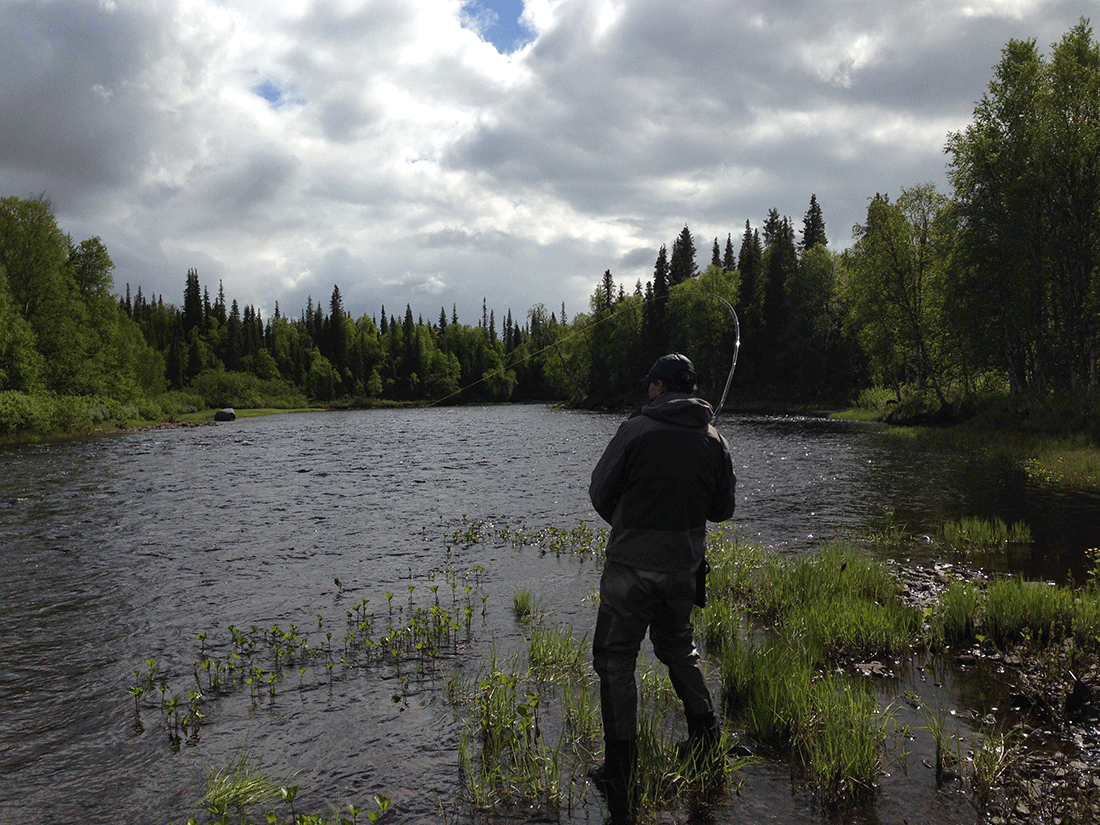
Large bright colors flies still working well  . But the presentation of flies became more and more local. We have already fished some better points, not the entire territory of succession pool. We prefered to use a floating line and light nylon leaders . Fresh fish often rises to the surface when the fly stopped within its parking lot. This suggested to use our guide George who has developed an effective technique of salmon provocation. He cast and immediately    stopped the fly directly from the surface of the water in the prospective location. Most often, the fish  rise up. Lateral movement of the flies near  the bottom or in the water, pulling the fly   did not give any noticeable effect. Technology offered by George, was also effective and economical. His technique does not require a long preparation for long casts and then fly   long presentation. We were required to change  the direction of casting.
1. Determine the status of salmon
2. Take a comfortable place for the exact cast and presentation of flies
3. 2-3 casting in promising place
4. Floating line, nylon short leader
5. sometime  large fly and aggressive presentation
6. Presentation in a narrow sector   downstream and stopping flies over the head of the fish


https://www.facebook.com/chavanga/
http://chavanga.com/